Why MineOps
Built for the pit. It shows.
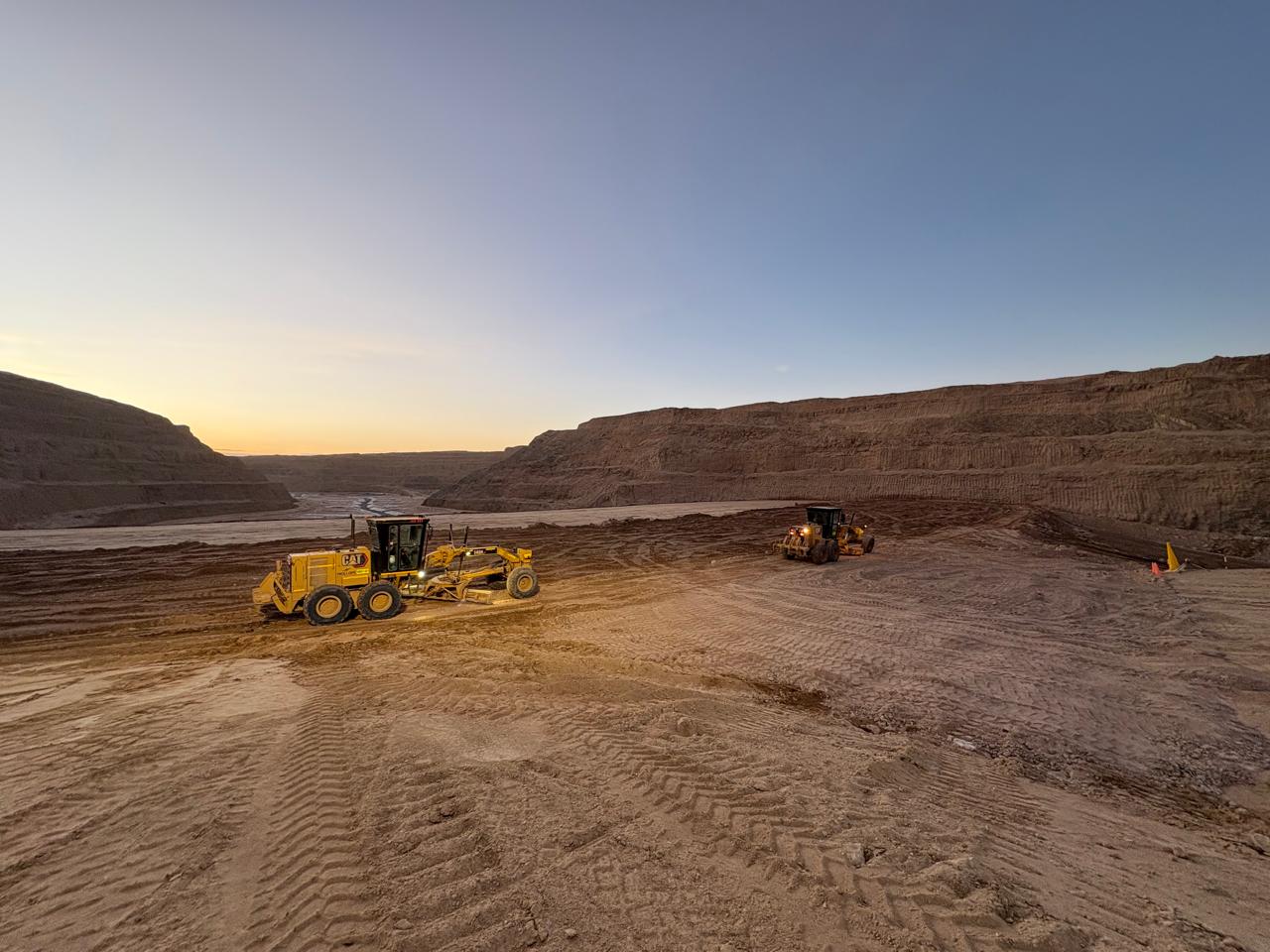
Generic work-management software was designed for offices with Wi-Fi and users with clean hands. MineOps was designed for a 06:00 shift change on a dusty bench — and every architectural decision follows from that.
Four differences that matter
Not adjectives. Design decisions.
Offline-first, because coverage maps lie
Every field workflow assumes the connection will drop. Entries auto-save as drafts on the device, a persistent draft banner brings operators back into unfinished work, and nothing captured in the pit is ever hostage to signal. Software that merely "tolerates" offline loses data at exactly the moment it matters; MineOps was built the other way up.
Real-time, not batch
Loads count live against a shift timer. Plant instruments stream readings every few minutes through the SCADA connector. Reports compile in a tap and travel the approval chain the same day. The alternative — batch reporting — means managing yesterday's operation; MineOps means managing this one.
Accountability by design
A five-level approval chain from operator to mine manager. Role permissions enforced in the interface and again at the API, across 25+ endpoints. Report totals snapshotted at compile time so an approved number never silently changes. When a report carries a signature in MineOps, the signature means something.
One record, pit to invoice
The load logged at the loader is the line on the compiled report is the quantity on the client invoice. There is no export step, no re-typing, no "final_v3_ACTUAL.xlsx". Point tools each solve a department; MineOps solves the seams between departments — which is where operations actually leak.
Built in the region it serves
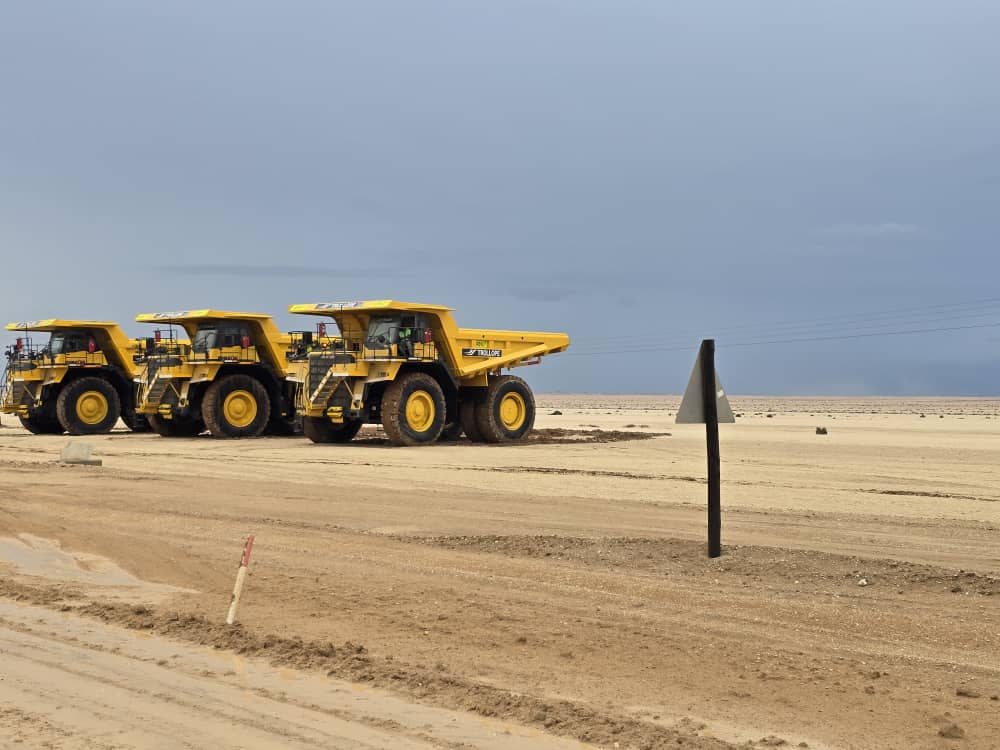
MineOps is built for Southern African and SADC open-pit operations: multi-currency invoicing for cross-border clients, workflows shaped around real 2×12 shift rotations, and field software that assumes remote-site conditions — because that's where it runs.
Common questions
Implementation, security, onboarding.
How does implementation work?
Where does our data live, and how is it secured?
Can MineOps work with our existing systems?
What happens where there's no signal?
How is access controlled once we're live?
Judge it on your own workflow.
The strongest argument for MineOps is watching your own shift run through it.