Platform · Production & Approvals
Production & Approvals
From face to boardroom, one chain of custody.
The problem this solves
From face to boardroom, one chain of custody.
On most sites, the shift report is a spreadsheet emailed at midnight — retyped from paper, reconciled days later, and impossible to trace back to who approved what. By the time management sees the numbers, the shift that produced them is long gone.
Capabilities
What Production & Approvals does
Daily production entries
Operators capture metric-level production data at the face during the shift — not reconstructed from memory at the end of it.
Five-level approval chain
Every report moves Operator → Shift Boss → Production Manager → Site Manager → Mine Manager, with pending counts, status tracking, and a full decision trail at each level.
Compiled shift & weekly reports
One tap compiles the shift into a structured report. Totals are snapshotted at compile time, so an approved report never silently changes underneath its signature.
Work area declarations
Declare and approve working areas per shift so production is always attributable to a declared, authorised area.
PDF on demand
Any approved report exports to a formatted PDF for clients, regulators, and month-end packs — generated by the platform, not rebuilt by hand.
Role-gated actions
Approve, reject, and sign-off actions only appear for roles that hold the permission — enforced in the interface and again at the API.
Who uses this
Operators
Capture entries and close off their shift in minutes.
Shift bosses
Review, correct, and push reports up the chain.
Production & site managers
Approve with full visibility of what changed.
Mine managers
Sign off a shift knowing every level below has.
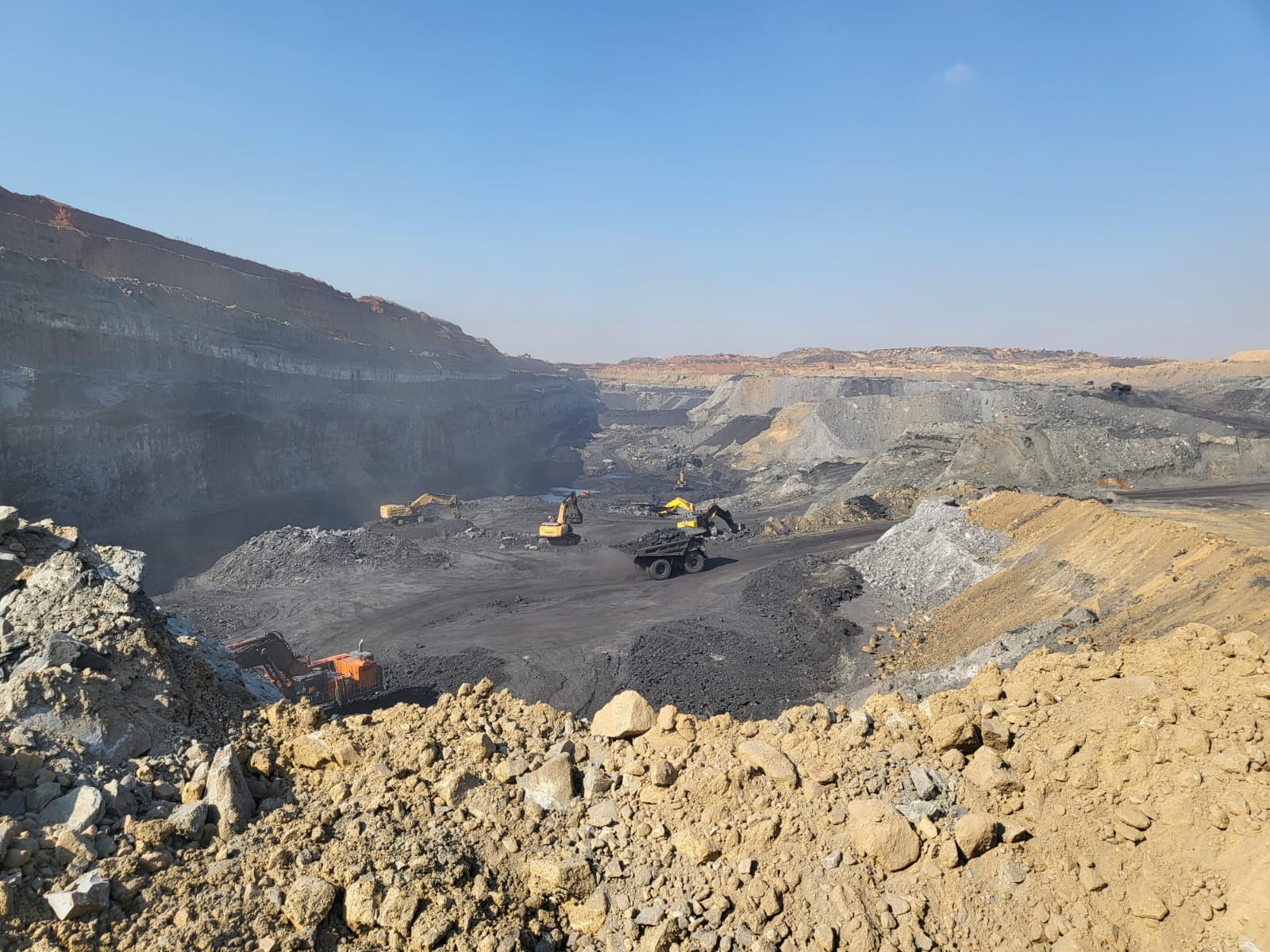
Field photography · MineOps operationsWorks with the rest of the platform
Production data feeds Analytics & Reporting directly, and load counts from Load & Haul roll up into the same compiled reports — one set of numbers, not three.
Next step
See Production & Approvals in action.
A working session with our team, on your operation's real workflow — not a canned slideshow.