Platform · Load & Haul Tracking
Load & Haul Tracking
Every load counted where it happens — at the loader.
The problem this solves
Every load counted where it happens — at the loader.
Tally sheets on a clipboard in a loader cab are how disputes start. When the client’s weighbridge and the contractor’s tally disagree at month-end, whoever has the weakest evidence pays for the difference.
Capabilities
What Load & Haul Tracking does
Live load counter
A running counter with a live shift timer — operators log each load in two taps between cycles.
GPS-confirmed loads
Each load is stamped with device GPS at the moment of logging, tying the count to the pit, not the parking lot.
Plate photo capture
Snap the truck plate as evidence on any load. Photos attach to the load record for dispute resolution.
Material & tonnage detail
Select material type per load, with optional volume and tonnage so coal, hards, and softs never blur into one number.
Per-shift close-off
Operators close off their loads at shift end; supervisors review by level before anything reaches a report.
Automatic roll-up
Closed loads roll up onto compiled shift and weekly reports — including the PDF — with no re-typing.
Who uses this
Loader & truck operators
Log loads without breaking cycle rhythm.
Shift bosses
See live counts per operator, per shift.
Contract managers
Defend invoices with GPS- and photo-backed counts.
Finance
Reconcile production to billing from one source.
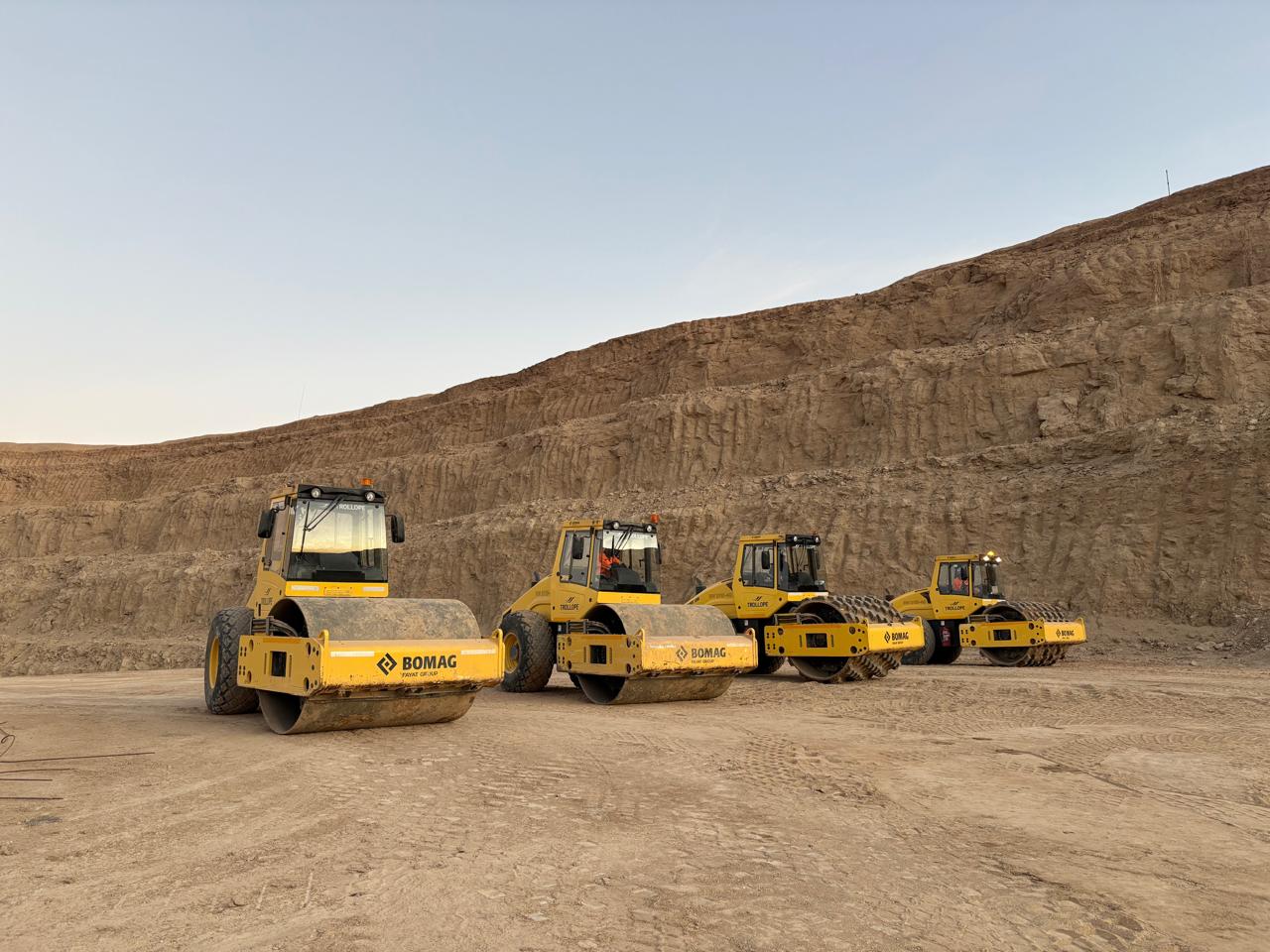
Field photography · MineOps operationsWorks with the rest of the platform
Load counts are kept fully separate from daily production metrics in the data model — the platform is designed so the two can never double-count in a compiled report.
Next step
See Load & Haul Tracking in action.
A working session with our team, on your operation's real workflow — not a canned slideshow.